Top 12 Questions to Ask Before a Nose job in Istanbul
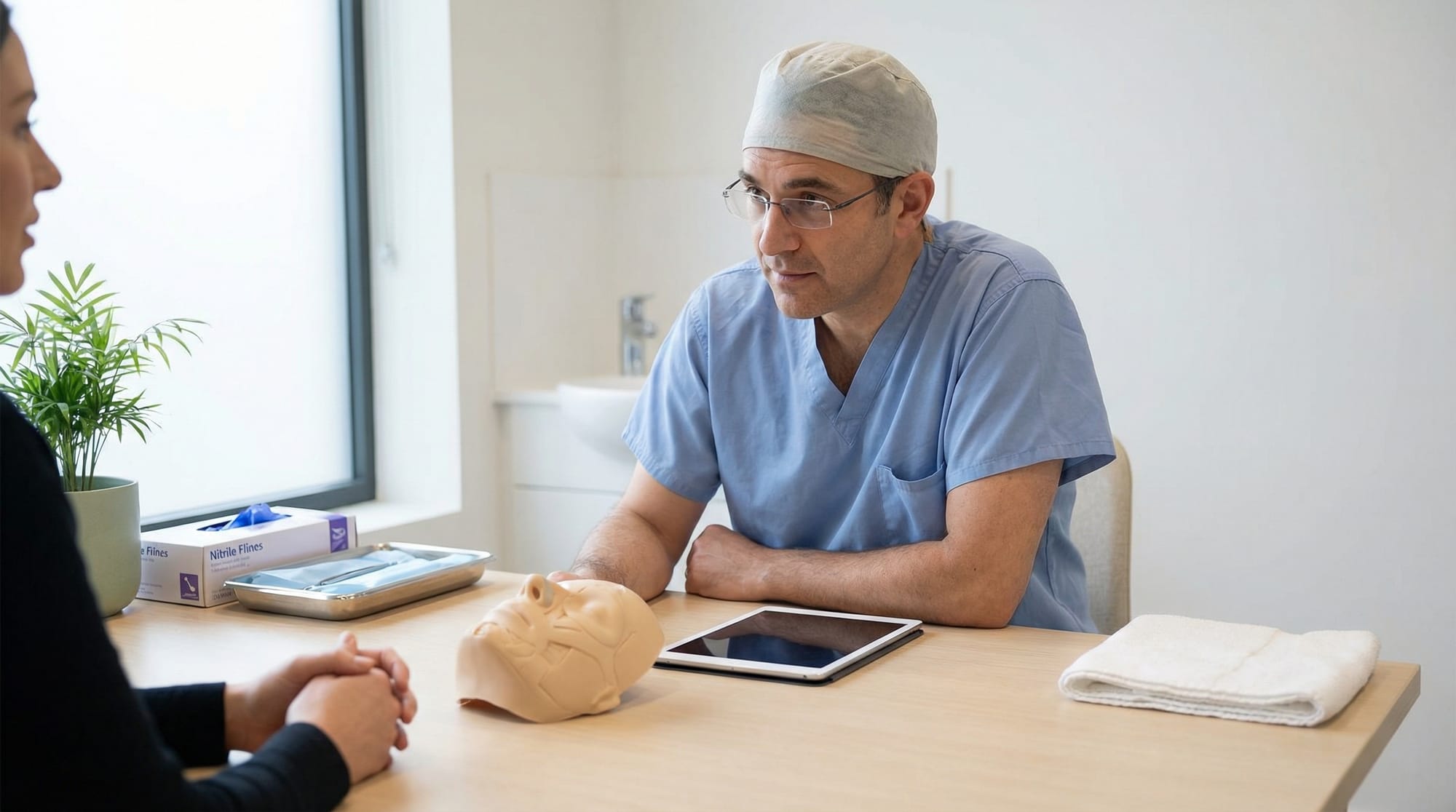
Planning a nose job in Istanbul can be exciting and overwhelming at the same time. Rhinoplasty is one of the most detail sensitive cosmetic procedures, because small changes can significantly affect your appearance, breathing, and long term satisfaction. Istanbul is also a global destination for cosmetic surgery, with a wide range of surgeons, clinics, and package offers. That variety is helpful, but it also makes it essential to ask the right questions before you commit.
This guide is written for patients who want clarity, safety, and realistic expectations. The goal is not to tell you which clinic to choose, but to help you evaluate any surgeon or provider in a structured way. CoreHealth Aesthetics supports informed, patient centered decision making, and the questions below are designed to help you compare options on quality, ethics, and medical standards, not just price.
Use these 12 questions as a checklist during consultations, whether in person or online. Ask for clear answers, written confirmation where appropriate, and time to think. A trustworthy team will welcome questions and will not rush you.
1) Are you board certified, and what is your specific training in rhinoplasty?
Start with credentials, because rhinoplasty is not a generic operation. Ask what specialty the surgeon trained in, such as plastic surgery or ear, nose, and throat surgery, and whether they have recognized board certification in their country and internationally where relevant. Then go one layer deeper and ask about rhinoplasty focused training. Many surgeons do cosmetic procedures, but a high volume rhinoplasty practice typically develops more refined judgment around nasal structure, symmetry, and airway preservation.
Ask how many rhinoplasties the surgeon performs per month and per year, and how long they have been doing this specific operation. Experience matters, but so does recency. A surgeon who performs rhinoplasty regularly is more likely to stay current with techniques and complication management. You can also ask whether they attend rhinoplasty conferences, publish, teach, or participate in peer review activities, because these may indicate engagement with evolving standards.
Request to see their full name, medical license number, and the clinic or hospital where they operate. Verify these details independently if possible. A reliable provider will not be offended by verification. This first question sets the tone for a safety first conversation and helps you filter out providers who rely mainly on marketing.
2) Am I a good candidate, and what are the medical reasons to delay or avoid surgery?
A strong consultation includes the possibility that you should not have surgery yet, or at all. Ask the surgeon to explain candidly whether your nasal anatomy, skin thickness, previous injuries, allergies, sinus issues, or general health conditions affect suitability. If you have had prior nasal surgery, trauma, or breathing problems, the complexity and risks can change significantly.
Discuss your overall health, including bleeding or clotting disorders, high blood pressure, diabetes, sleep apnea, and any autoimmune conditions. Ask how they evaluate surgical fitness and what preoperative tests are required. If you smoke or vape, ask how this affects healing and whether you must stop before and after surgery, and for how long. Nicotine can impair blood flow and can increase risks like poor wound healing and scarring.
Also ask about psychological readiness. A reputable surgeon will screen for unrealistic expectations and body image pressures. If you are seeking surgery due to external pressure or a recent life crisis, a good team may advise waiting. Asking this question helps you identify whether the surgeon prioritizes your well being over a quick booking.
3) What exact result is realistically achievable for my face, not a generic ideal?
Rhinoplasty should fit your facial proportions, not a one size look. Ask the surgeon to describe what changes are feasible for your nasal bridge, tip rotation, projection, nostril width, and overall harmony with your chin, lips, and cheekbones. It is also reasonable to ask what they will not do, and why, especially if you request an aggressive change that could harm function or look unnatural.
Bring reference photos carefully. Instead of asking to copy a celebrity nose, explain what you like in those images, such as a smoother bridge or a more defined tip. Ask the surgeon to translate your preferences into anatomical terms. This is where communication quality becomes obvious. If the surgeon dismisses your goals or promises an exact copy, that can be a warning sign. Every nose heals differently, and your tissues may not support a specific shape.
Ask how skin thickness affects definition and swelling duration. Thick skin can limit tip refinement and may require a different approach. Thin skin can show small irregularities more clearly. A surgeon who explains tradeoffs clearly, using your own anatomy, is more likely to deliver an outcome aligned with your expectations.
4) Can you show before and after photos of patients similar to me, including long term results?
Photos are useful, but only if they are relevant and complete. Ask to see cases similar to your nasal type, such as a high dorsum, wide tip, deviated septum, or thick skin. If you are male, ask for male cases, because aesthetic goals often differ. If you have ethnic features you want to preserve, ask for patients with similar features and discuss preservation versus reduction goals.
Request standardized photos: front, side, oblique, and base views, taken with consistent lighting and neutral expressions. Ask to see some results at one year or longer, not only early postoperative photos. Swelling and scar maturation can change the nose for many months, and long term photos can reveal stability, symmetry, and whether a tip has dropped or narrowed in an unnatural way.
Ask how the clinic obtains consent for photo use and whether results are typical. A trustworthy provider will explain variability and will not imply that every patient gets the same outcome. Also ask to see a few revision cases they have managed, because it shows how they handle complexity and whether they can correct issues responsibly.
5) Which technique will you use for me, open or closed rhinoplasty, and why?
Technique choice should be personalized. Open rhinoplasty uses a small incision on the columella, allowing direct visibility and precise structural work. Closed rhinoplasty keeps incisions inside the nostrils, which can reduce external scarring and may shorten early recovery in some cases. Neither is universally better. The right method depends on what needs to change and how much support your nose needs.
Ask the surgeon to explain, in plain language, what they plan to modify: bone, cartilage, septum, or soft tissue. Ask whether they use structural grafting to support the tip and prevent collapse over time. Many modern approaches emphasize preserving or rebuilding support rather than simply reducing. If you have breathing issues or a deviated septum, ask how septoplasty and turbinate work may be integrated with cosmetic changes.
Also ask about suturing methods, cartilage reshaping, and whether they anticipate needing cartilage grafts from the septum, ear, or rib. Each donor site has pros and cons. A detailed answer indicates planning and respect for long term function, not just short term appearance.
6) How will you protect or improve my breathing, and what tests do you use to assess function?
Breathing is not a secondary issue. A nose that looks good but functions poorly can seriously affect quality of life. Ask how the surgeon evaluates nasal airflow before surgery. Some surgeons perform internal examination, endoscopy, or use objective assessments when indicated. At minimum, they should take your breathing complaints seriously and document them.
Ask whether you might need septoplasty, turbinate reduction, or valve support. Internal and external nasal valve collapse can occur or worsen after aggressive reduction if support is not maintained. Ask how the surgeon avoids over narrowing the middle vault, how they support the sidewalls, and how they approach hump reduction to prevent an inverted V deformity.
Discuss allergies, chronic congestion, sinus infections, and prior nasal trauma. Ask what percentage of their patients report improved breathing, unchanged breathing, or worse breathing, and how they handle postoperative breathing complaints. A candid surgeon will acknowledge that swelling can temporarily worsen breathing and will explain the timeline for functional improvement.
7) What are the risks and complications, how often do they happen here, and how are they handled?
Every surgery has risks, and rhinoplasty has specific ones. Ask for a clear list of possible complications, including bleeding, infection, poor scarring, asymmetry, persistent swelling, skin or cartilage healing problems, numbness, septal perforation, valve collapse, dissatisfaction with appearance, and the potential need for revision surgery.
Then ask two critical follow ups. First, ask how often these complications occur in the surgeon’s own practice, not general statistics. You may not get exact numbers, but the willingness to discuss rates and examples matters. Second, ask what the protocol is if something goes wrong. Who sees you urgently, where you are seen, and who pays for treatments like antibiotics, drainage, additional splints, or hospital care if needed.
Ask whether the clinic has emergency arrangements with a hospital, and whether postoperative issues are managed by the operating surgeon or delegated to rotating staff. Clear responsibility and an accessible follow up system are important, especially if you are traveling from abroad and time in Istanbul is limited.
8) Who will administer anesthesia, where will surgery take place, and what safety standards are followed?
Safety depends on the entire environment, not just the surgeon’s skill. Ask whether rhinoplasty is done under general anesthesia or sedation, and who provides it. Ideally, an anesthesiologist or a qualified anesthesia professional should be present with appropriate monitoring. Ask about pre anesthesia assessment and how they manage nausea, pain control, and airway safety during the procedure.
Ask where the surgery occurs: a hospital operating theater or an accredited surgical center. Ask about accreditation, sterilization procedures, and infection control protocols. Ask whether the facility has a backup power system, emergency medications, and resuscitation equipment, and whether they have a clear transfer pathway to a full hospital if needed.
If you are offered a low price package, this question helps you identify hidden compromises. The cheapest option is not a bargain if safety standards are unclear. Ask to see the name and address of the facility in writing, and confirm it matches what is advertised. Transparency is a strong marker of professionalism.
9) What is included in the total price, and what costs could appear later?
Cost conversations should be specific and written. Ask for a detailed quote that lists surgeon fees, anesthesia, facility fees, preoperative tests, medications, splints, post op visits, and any hotel or transport services if you are offered a medical tourism package. Ask whether translation services are included, and who your point of contact is during recovery.
Then ask about possible additional costs. For example, if you need septoplasty, turbinate reduction, or cartilage grafting, is that included or billed separately? If you develop an infection or need extra visits, are there charges? If you need a revision, what is the policy? Some clinics waive the surgeon fee but charge facility and anesthesia fees, others have time limits or strict criteria. Get this in writing.
Also clarify payment terms, deposit requirements, refund policy, and what happens if surgery is postponed due to a cold, lab results, or personal reasons. This question prevents stressful surprises and helps you compare providers fairly, because a lower headline price can conceal major exclusions.
10) What will my recovery timeline look like, day by day, and how long should I stay in Istanbul?
Recovery planning is especially important for travelers. Ask what happens immediately after surgery: how long you stay in recovery, whether you go home the same day, and whether you need a nurse or companion overnight. Ask when the splint comes off, when internal packing is removed if used, and what the first follow up schedule looks like.
Ask for a realistic timeline for bruising and swelling. Many patients look socially presentable after about two weeks, but swelling, especially at the tip, can last for months. Ask when you can safely fly and whether they recommend any precautions during flights, such as hydration, walking, and managing congestion. Ask when you can return to work, exercise, lifting, contact sports, and wearing glasses. If you need glasses, ask about taping or alternative supports to avoid pressure on the nasal bones during healing.
Ask how pain is typically managed, what medications are prescribed, and which symptoms require urgent contact, such as heavy bleeding, fever, severe worsening pain, or visual symptoms. A good plan includes a written aftercare guide and clear instructions for how to reach the team after hours.
11) How do you plan and document the surgery, including imaging, measurements, and consent?
Modern rhinoplasty planning should be systematic. Ask whether the surgeon uses imaging, such as 3D simulation or morphing, and how they present it. Imaging can be helpful to align expectations, but it should be explained as an approximation, not a guarantee. Ask what aspects of the simulated image are realistic and what depends on healing and tissue behavior.
Ask whether the surgeon takes standardized measurements and photographs before surgery, and whether you will receive copies. Documentation protects both patient and provider and supports thoughtful planning. Ask what is included in the informed consent process. A thorough consent should cover risks, alternatives, expected recovery, the possibility of revision, and functional considerations.
Also ask what the surgeon’s philosophy is about natural looking results. Some patients want subtle refinement, others want a more noticeable change. Planning should reflect your preference while staying within safe anatomical limits. If the surgeon cannot clearly articulate a plan, or if consent feels rushed, consider that a sign to slow down.
12) If I need help after I return home, what follow up support do you provide, and what is your revision policy?
International patients need a realistic long distance plan. Ask how follow up is handled once you leave Istanbul. Do they offer scheduled video check ins, and at what intervals? Who responds to messages, and what is the typical response time? Ask whether you will be given a written operative summary that you can share with a local doctor if needed. That summary can be very helpful if you ever need imaging, antibiotics, or emergency assessment at home.
Ask what problems they can manage remotely versus what requires in person evaluation. For example, mild swelling and bruising are normal, but suspected infection, hematoma, severe breathing difficulty, or significant asymmetry may need urgent in person care. Ask how they coordinate with local ENT or plastic surgeons if needed, and whether they can recommend anyone in your region.
Finally, ask about revisions with full clarity. What is their definition of a revision worthy issue, what is the earliest time they would consider it, and what costs are involved. Most surgeons prefer waiting many months because swelling and scar tissue need time to settle. A transparent revision policy is a major trust marker, because it acknowledges that outcomes vary and shows the provider has a long term relationship mindset.
Practical consultation tips to get better answers
Send clear photos and a short health summary in advance. Include front, side, and base views in good lighting, plus notes about breathing issues, allergies, prior surgery, and medications. Better inputs lead to a more accurate consult.
Write down your top three priorities. For example, smoother bridge, refined tip, and better breathing. This keeps the conversation focused when you are nervous.
Ask the same questions to multiple clinics. Consistency helps you compare. Major differences in recommended technique or recovery advice should prompt deeper discussion.
Request everything important in writing. Surgical plan highlights, what is included in the price, follow up schedule, and revision policy should be documented.
Do not let timing pressure decide for you. Limited time offers and last minute discounts can push you to skip due diligence. Prioritize safety and fit.
Red flags that should make you pause
Guaranteed results. Rhinoplasty outcomes depend on healing and individual anatomy. Certainty is not realistic.
No discussion of breathing. A consultation that ignores function may miss important structural issues.
Refusal to discuss complication management. Good surgeons have protocols and will explain them calmly.
Unclear operating facility. If you cannot confirm where surgery happens and who provides anesthesia, stop and verify.
Rushed consent or missing written details. You should have time to read, ask questions, and decide.
How to use this article as a decision checklist
Before you book, aim to have confident, specific answers to all 12 questions. If any answer is vague, ask again in a more concrete way, such as, “Can you put that in writing?” or “Can you show me an example case?” You are not being difficult. You are being responsible.
When you compare clinics in Istanbul, remember that the best choice is rarely the one with the lowest price or the most polished social media. The best choice is the one that combines qualified expertise, safe facilities, honest communication, and dependable follow up.
If you want, you can copy and paste these questions into your notes app and check them off during each consultation. A high quality provider will appreciate organized patients, because it shows you are engaged and motivated to heal well.
Medical note: This article is for educational purposes and does not replace a medical consultation. Always discuss your personal health conditions, medications, and risks with a qualified surgeon and anesthesia team before proceeding.