Top 10 Criteria for Choosing a Safe Rhinoplasty Clinic
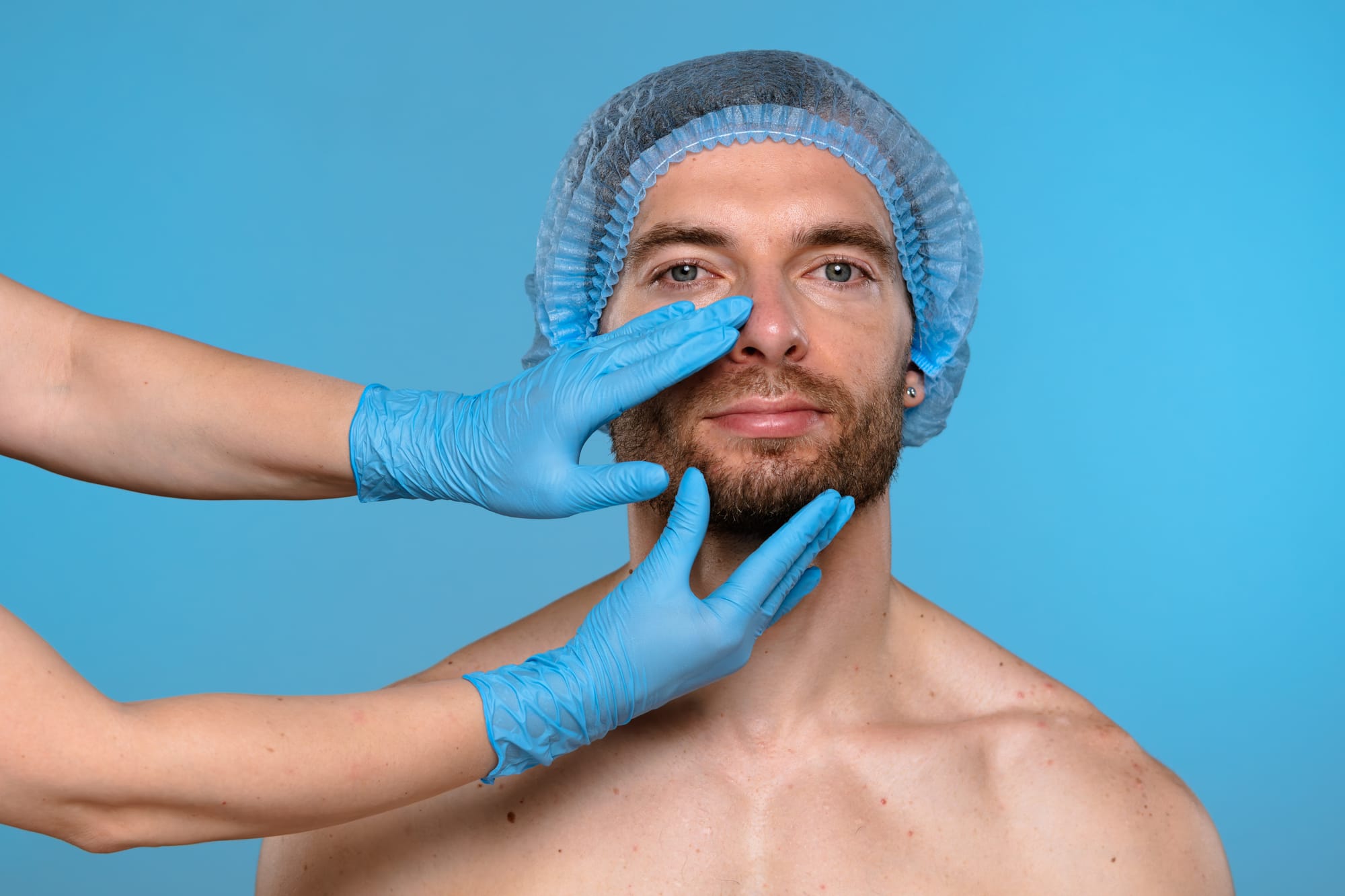
تُعدّ عملية تجميل الأنف من أكثر العمليات الجراحية التجميلية حساسيةً للتفاصيل. فالأنف يقع في مركز الوجه، ويؤثر على التنفس والمظهر، وقد تُحدث تغييرات طفيفة فرقًا كبيرًا في التناسق والثقة بالنفس. ولأن عملية تجميل الأنف قد تشمل العظام والغضاريف والجلد والصمامات الأنفية الداخلية والحاجز الأنفي، فإن اختيار مكان إجرائها لا يقل أهمية عن اختيار إجرائها نفسها. فالعيادة الأكثر أمانًا ليست بالضرورة الأقل سعرًا أو صاحبة الصور الأكثر جاذبية على مواقع التواصل الاجتماعي، بل هي تلك التي تُقدّم باستمرار تخطيطًا دقيقًا، وظروفًا جراحية مُحكمة، وتوصيات أخلاقية، ومتابعة موثوقة، حتى في حال حدوث أي خطأ.
يُقدّم هذا الدليل عشرة معايير عملية يُمكنك استخدامها لتقييم أي عيادة تجميل أنف، سواء كنت تبحث محليًا أو مسافرًا لتلقّي العلاج، بما في ذلك وجهات شهيرة مثل إسطنبول. يتضمن كل معيار ما يجب البحث عنه، وما يجب السؤال عنه، وما يستدعي التريّث. استخدمه كقائمة مرجعية قبل اتخاذ قرار إجراء الجراحة.
1. مؤهلات الجراح، ونطاق ممارسته، وخبرته الحقيقية في عمليات تجميل الأنف
إنّ العامل الأهمّ لضمان سلامة المريض هو الجراح، وليس المبنى أو اسم العلامة التجارية. تعتمد نتائج عملية تجميل الأنف على حُسن التقدير، والتقنية، والقدرة على التعامل مع الاختلافات التشريحية، والندوب، ومشاكل التنفس، وأنماط الشفاء. قد تبدو العيادة حديثة، ومع ذلك لا يزال يعمل بها جراحون لا يُجرون عمليات تجميل الأنف إلا نادرًا، أو يُجرون في الغالب عمليات أخرى ويُضيفون تجميل الأنف كخدمة إضافية.
ابدأ بالبحث عن مؤهلات قابلة للتحقق. ابحث عن جراح مُدرَّب تدريباً رسمياً في الجراحة التجميلية أو طب الأنف والأذن والحنجرة، مع تخصص دقيق في جراحة تجميل الأنف، ويُجري هذه الجراحة كجزء أساسي من ممارسته. إذا كنت تعاني من مشاكل وظيفية، مثل انسداد الأنف أو انحراف الحاجز الأنفي، فاختر جراحاً يُجري جراحة تجميل الحاجز الأنفي بانتظام، ويستطيع شرح آلية تدفق الهواء الأنفي ودعم الصمامات بأسلوب مبسط.
ينبغي أن تكون الخبرة محددة، لا عامة. فعشر سنوات من الممارسة أقل دلالة من عدد عمليات تجميل الأنف التي يجريها الطبيب شهريًا، وعدد العمليات الأولية مقابل عمليات التصحيح، ونهجه في التعامل مع الجلد السميك، أو الغضروف الضعيف، أو حالات الأنف المتضررة. كما تُعدّ خبرة عمليات تصحيح الأنف مؤشرًا مفيدًا على القدرة على حل المشكلات، حتى لو كنت مريضًا يخضع لعملية تجميل أنف أولية.
أسئلة يجب طرحها
- ما هو تخصصك التدريبي الأساسي، وأين تدربت في مجال تجميل الأنف؟
- كم عدد عمليات تجميل الأنف التي تجريها شهرياً، وكم منها عمليات تصحيحية؟
- هل تقومون بمعالجة مشاكل التنفس بشكل روتيني، مثل انحراف الحاجز أو انهيار الصمام؟
- من سيكون الجراح الذي سيجري العملية، وهل سيتم تفويض أي أجزاء إلى طبيب آخر؟
علامات حمراء
- لا تستطيع العيادة تحديد هوية الجراح بوضوح إلا بعد دفع العربون.
- تتم استشارتك في الغالب بواسطة منسق مبيعات، مع تخصيص وقت قليل للجراح.
- يتجاهل الجراح المخاوف الوظيفية ويتحدث فقط عن أنف أصغر.
- ادعاءات مثل ضمان الكمال، وانعدام المخاطر، أو تصميم الأنف نفسه للجميع.
2. Licensed facility, accreditation, and defined safety protocols
Even a brilliant surgeon needs a safe environment. Rhinoplasty can be done in hospitals or outpatient surgical centers, but the facility should be properly licensed and inspected. Accreditation is a strong indicator that the clinic follows defined standards for sterility, medication storage, emergency equipment, documentation, and staff training.
Ask where the operation will occur. Some clinics consult in one location and operate in another. Make sure you know the exact facility name, whether it is a hospital or a dedicated surgical center, and what oversight exists. A safe clinic can explain its safety systems without getting defensive.
Safety protocols should include infection prevention, standardized surgical counts (to avoid retained items), equipment maintenance logs, and clear patient identification processes. You should also ask how the clinic handles unexpected issues, such as bleeding, allergic reactions, or airway problems. These are rare, but preparedness is a hallmark of quality.
What to look for
- Proof of licensing and accreditation, when applicable in that country.
- Modern operating rooms with controlled airflow and sterile processing.
- Clearly trained perioperative staff, including recovery room monitoring.
- Transparent explanation of emergency transfer agreements if outpatient.
Red flags
- Vague answers like, do not worry, we have never had a problem.
- Pressure to have surgery in a non surgical setting or an unclear location.
- No post anesthesia recovery area, or minimal monitoring after surgery.
3. A consultation that is medical, not sales driven
A safe rhinoplasty clinic treats the consultation as a diagnostic and planning appointment, not as a closing conversation. You should feel evaluated as a whole person, with attention to your health history, medications and supplements, prior nasal injuries, allergies, breathing difficulties, sleep quality, and previous procedures. The surgeon should examine your nose externally and internally, and should discuss both aesthetic goals and functional needs.
A high quality consultation also includes expectation setting. Rhinoplasty is limited by anatomy, skin thickness, cartilage strength, healing, and symmetry. A responsible surgeon spends time explaining what can realistically be achieved, and what trade offs might be required. For example, making a bridge lower may require grafting for support, and narrowing a wide tip may be limited by thick skin. If your request is not feasible or would be unsafe, the surgeon should say so.
The clinic should offer enough time for questions, and provide written information that you can review later. Safety includes comprehension. You should understand the plan, the recovery timeline, the main risks, and what happens if you need revisions or additional treatments.
Questions to ask
- What specific changes do you recommend, and why?
- How will you protect or improve breathing during the cosmetic changes?
- What are the most common complications you see, and how do you manage them?
- What should I do before surgery regarding smoking, alcohol, supplements, and medications?
Red flags
- You are offered a discount that expires in 24 hours, or pressured to book quickly.
- The surgeon does not examine the inside of your nose or ask about breathing.
- Risks are minimized or described as basically impossible.
- Your goals are not discussed, only the clinic package and payment schedule.
4. Comprehensive preoperative assessment, including breathing and structural analysis
Safe rhinoplasty starts before the operation. A thorough preoperative assessment reduces the chance of anesthesia issues, bleeding, infection, and poor healing. It also identifies functional problems that should be addressed during the same surgery, such as septal deviation, turbinate enlargement, or valve weakness.
Preoperative evaluation should include medical history, allergies, prior surgeries, and a review of medications, including blood thinners, certain painkillers, weight loss injections, herbal supplements, and vitamins that may increase bleeding risk. The clinic should explain how far in advance you need to stop specific items, and it should coordinate with your prescribing doctor when needed.
For some patients, additional workup is appropriate. That could include lab tests, ECG for certain age groups or risk profiles, or imaging in complex cases. Not everyone needs the same testing, but a safe clinic has clear criteria and does not skip basics just to simplify scheduling.
What good assessment includes
- Internal nasal exam, including septum and valve assessment.
- Discussion of allergies, chronic congestion, sinus issues, or sleep apnea symptoms.
- Review of bleeding risk, clotting risk, and history of poor scarring.
- Clear pre op instructions for smoking cessation and nicotine avoidance.
Red flags
- No one reviews your medications and supplements in detail.
- You are told testing is unnecessary for everyone, regardless of age or health.
- Breathing complaints are ignored or postponed to another time.
5. Evidence of consistent results, shown with honest before and after documentation
Before and after photos are not just marketing, they are a safety and quality signal when presented responsibly. You want to see consistent outcomes across different nose types, not just a few highlight cases. A safe clinic will show patients with similar anatomy to yours, similar skin thickness, and similar goals. It will also show multiple angles, including front, oblique, side, and base views, with standardized lighting and positioning.
Ask to see results at meaningful timelines. Early results can look deceptively refined due to swelling patterns, taping, or photo angles. Rhinoplasty continues to evolve for many months, and subtle tip refinement can continue for a year or more. The most informative galleries include healed results, not only immediate post op images.
Be cautious with heavily filtered images or galleries that show only one angle. Also be cautious if every nose looks identical. Safe, high quality rhinoplasty is individualized, it respects facial proportions, ethnicity, and gender expression, and it preserves function. The goal is not a copy paste nose, it is a better fitting nose for your face.
What to look for in photos
- Standardized angles, similar lighting, and consistent distance from camera.
- Cases similar to yours, including thick skin, wide base, or dorsal humps.
- Healed results at 6 to 12 months when available.
- Natural looking outcomes, with stable tip support and balanced profile lines.
Red flags
- Photos look edited, smoothed, or filtered, or backgrounds are inconsistent.
- No base view photos, which can hide asymmetry or nostril issues.
- Only influencer style content, no clinical documentation.
6. A clear surgical plan, including technique choices and how structure will be supported
Rhinoplasty is not one operation, it is a set of maneuvers selected for your anatomy and goals. A safe clinic can explain its plan in a way you understand, including what will be reduced, what will be preserved, and what will be rebuilt for long term stability. This matters because over reduction can create collapse, pinching, breathing problems, and a nose that changes unfavorably over time.
Ask about the approach, open versus closed, and why it is chosen. Either can be appropriate. What matters is whether the surgeon can justify the approach and describe how they manage tip support, dorsum shape, and symmetry. If grafts may be needed, you should know what kind, where the cartilage comes from (often septum, sometimes ear, rarely rib), and what additional scars or risks that entails.
Discuss functional preservation explicitly. Safe rhinoplasty respects the internal and external nasal valves, maintains appropriate airway cross section, and avoids aggressive narrowing that can lead to lifelong breathing difficulties. If you want a narrower nose, the surgeon should explain the balance between aesthetics and airflow, and how they will strengthen support when narrowing is done.
Questions to ask
- Open or closed rhinoplasty, which do you recommend for me and why?
- Will I need grafts, and where would the cartilage come from?
- How will you prevent valve collapse or tip droop over time?
- What is your plan for asymmetry, and what level of asymmetry may remain?
Red flags
- One size fits all plan, such as always making the bridge very low and the tip very upturned.
- No discussion of breathing, support, or long term structural stability.
- Unwillingness to explain technique, followed by, just trust me.
7. Safe anesthesia, qualified anesthesia professionals, and appropriate monitoring
Anesthesia safety is a major part of rhinoplasty safety. Many rhinoplasties are done under general anesthesia, though some cases may be done with deep sedation depending on the plan and local regulations. The safest clinic uses qualified anesthesia professionals, follows pre anesthesia screening, and provides continuous monitoring during surgery and recovery.
Ask who provides anesthesia and what their credentials are. In some settings, an anesthesiologist supervises; in others, a nurse anesthetist may administer under supervision. The right arrangement depends on local standards, but there should always be a qualified anesthesia provider dedicated to you, not multitasking across rooms.
Monitoring should include heart rhythm, blood pressure, oxygen saturation, carbon dioxide monitoring, temperature management, and fluid balance as appropriate. The clinic should also discuss nausea prevention, pain control planning, and how they handle rare but serious reactions. After surgery, you should be monitored until you meet clear discharge criteria, and you should receive written instructions and emergency contact information.
What to confirm
- Name and credentials of the anesthesia provider, and whether they are present throughout.
- Pre anesthesia evaluation and fasting instructions that are individualized.
- Modern monitoring in the operating room and in a staffed recovery area.
- Plan for nausea, pain control, and management of anxiety safely.
Red flags
- Unclear anesthesia staffing or no dedicated provider focused on you.
- Minimal recovery monitoring, or discharge very quickly without criteria.
- Clinic avoids answering questions about airway management and emergency preparedness.
8. Infection control, sterile processing, and antibiotic stewardship
Infection after rhinoplasty is uncommon, but when it occurs it can be serious, especially if cartilage is involved. Good clinics treat infection prevention as a system, not a last minute step. That includes instrument sterilization, clean operating room practices, careful skin preparation, and controlled traffic in and out of the operating room.
Ask how the clinic sterilizes instruments and manages sterile supplies. You do not need to be an expert, but you should hear confident, specific answers. A safe clinic also practices sensible antibiotic use. Antibiotics may be indicated around surgery, but overly casual or prolonged antibiotic use can lead to side effects and resistance. The clinic should explain what they use and why, based on your case.
Wound care instructions matter too. You should be taught how to keep the area clean, what to avoid, and what signs of infection require urgent attention. If you are traveling, you should know where to go if you develop fever, worsening pain, or unusual drainage.
What to look for
- Clear sterile technique policies and professional operating room discipline.
- Written post op wound care instructions, including what is normal versus concerning.
- Rational antibiotic plan and allergy screening.
- Guidance on avoiding smoking, vaping, and nicotine, which increase infection and healing risks.
Red flags
- Unprofessional or crowded operating environment, based on what you observe.
- No written aftercare instructions, only verbal guidance.
- Antibiotics offered casually without discussing allergies or side effects.
9. Transparent consent, clear pricing, and ethical communication
Safety is not only physical. Ethical practices, transparent information, and clear consent protect you from financial surprises, rushed decisions, and misunderstanding about what you are agreeing to. A safe clinic provides detailed consent forms that cover realistic risks, alternative treatments, recovery timeline, and what the clinic will do in specific situations, such as unexpected findings during surgery.
Pricing should be written and itemized. Rhinoplasty costs can include surgeon fees, anesthesia, facility fees, implants or graft materials if relevant, medications, lab work, splints, and follow up appointments. If you are traveling, packages may include hotel or transport, but you should still understand what is medical and what is logistical.
Also clarify revision policy. No surgeon can guarantee a specific aesthetic, and minor irregularities can occur even with excellent technique. However, the clinic should be upfront about how they handle concerns, how long they ask you to wait before assessing final results, and how costs work if a revision is indicated. Ethical clinics do not promise perfection, and they do not hide behind vague language when you ask about accountability.
Questions to ask
- Can you provide an itemized quote that includes anesthesia, facility fees, and follow ups?
- What happens if my surgery takes longer than expected, is there an additional charge?
- What is your revision policy, and what costs would I be responsible for if revision is needed?
- Can I take the consent documents home to review before signing?
Red flags
- Prices are shared only by chat and change frequently without explanation.
- Consent is rushed on the day of surgery with no time to read carefully.
- Discounts for paying cash immediately, or pressure tactics tied to scheduling.
- Promises like, you will love it, no revision will ever be needed.
10. Strong aftercare, follow up access, and a realistic recovery plan, especially for medical travel
Rhinoplasty recovery is a process, not an event. The safest clinic is the one that supports you through the entire timeline, from immediate post op monitoring to splint removal, swelling management, and long term healing checks. Because swelling changes the appearance week to week, reliable follow up reduces anxiety and helps catch issues early.
Ask what follow up schedule looks like. Common touchpoints include the first week for splint or cast removal, additional visits for internal cleaning if needed, and periodic checks in the first months. If you are traveling for surgery, you must plan your stay long enough to receive essential early care. You should also understand what follow up looks like once you return home, such as video visits, photo check ins, and coordination with local doctors if necessary.
A safe clinic provides detailed written aftercare instructions. These should cover sleeping position, showering, nasal cleaning, activity restrictions, glasses use, sun protection, and what symptoms require urgent evaluation. They should also tell you what is normal, such as congestion and uneven swelling, and what is not, such as rapidly worsening pain, heavy bleeding, fever, or breathing that suddenly deteriorates.
Medical travel adds layers of risk if it is not planned thoughtfully. Flying too soon can worsen swelling and discomfort. Being far from your surgeon can complicate early problem management. A responsible clinic will not oversimplify these realities. Instead, it will help you plan a safe timeline, provide clear contact pathways, and make sure you know exactly who to call day or night.
What to look for
- Written recovery plan with a day by day guide for the first two weeks.
- Clear follow up schedule and communication channel for questions.
- Emergency plan, including where to go locally if you are traveling.
- Guidance on returning to exercise, work, and social activities safely.
Red flags
- Minimal planned follow up, or follow up is treated as optional.
- Clinic discourages questions after surgery or is difficult to reach.
- Travel plan is unrealistically short, such as leaving before early assessments.
Extra practical checklist: What to prepare before you choose
Before you select a clinic, it helps to collect your own information so the surgeon can make safer recommendations. It also makes it easier to compare clinics on equal footing. Consider preparing a short summary of your goals, your medical history, and your non negotiables, for example, preserving breathing or avoiding an overly upturned tip.
- Write down your top three goals and top three concerns about your nose, including breathing.
- List prior nasal injuries, allergies, sinus issues, and any previous nasal surgery.
- Bring a medication and supplement list, including nicotine use and vaping.
- Save a few reference photos that show general style, not a request to copy someone else.
- Plan time for recovery, including at least one to two weeks of reduced commitments.
Extra practical checklist: Key questions to ask every clinic
Asking the same questions of every clinic helps you compare fairly and spot inconsistencies. You are not being difficult, you are doing responsible due diligence for a surgery that changes your face and can affect your breathing.
- Who will operate, who will provide anesthesia, and who will monitor me in recovery?
- Where exactly is surgery performed, and what licensing or accreditation applies?
- How do you evaluate nasal airflow, and will you correct functional problems if found?
- What is included in the quote, and what could increase the cost?
- What is the follow up schedule, and who do I contact after hours if I am worried?
- If I am traveling, what length of stay do you recommend, and why?
Common traps that can lead to unsafe choices
Even careful people can be influenced by a few common traps. Recognizing them early helps you stay focused on safety and long term satisfaction.
- Choosing by price alone. A very low price can mean shortcuts in staffing, facility quality, or follow up. Value is not the same as low cost.
- Overvaluing social media popularity. Marketing skills do not equal surgical judgment. Use social media only as a starting point, then verify details.
- Falling for instant certainty. If a clinic says yes to every request without discussing limitations, you may be hearing what sells, not what is safe.
- Ignoring breathing. Many dissatisfied rhinoplasty patients are unhappy because of airflow problems, not just appearance.
- Underestimating recovery. Swelling and emotional ups and downs are normal. A safe clinic prepares you for this rather than minimizing it.
Putting it all together: How to compare clinics objectively
If you have a shortlist of clinics, create a simple scoring sheet. Rate each clinic from 1 to 5 on each of the ten criteria. Require documentation where possible, such as written quotes, facility information, and surgeon credentials. Then add notes about how you felt during the consultation. Did you feel heard, or hurried? Did answers stay consistent across staff members? Did anyone dodge questions?
You should also consider your personal risk profile. For example, if you have significant breathing obstruction, prioritize functional expertise. If you have thick skin, you may need a surgeon experienced with realistic tip refinement. If you are traveling internationally, aftercare logistics deserve extra weight.
Conclusion: Choosing safety is choosing long term satisfaction
The best rhinoplasty clinic is the one that combines qualified surgical skill with systems that protect you before, during, and after surgery. Use these ten criteria as your roadmap: surgeon expertise, facility standards, medical quality consultation, thorough assessment, honest documentation of results, a clear structural plan, safe anesthesia, rigorous infection control, transparent consent and pricing, and reliable aftercare. When these pieces are in place, you are far more likely to heal well, breathe well, and feel confident in your result.
تنشر شركة CoreHealth Aesthetics مواد تثقيفية للمرضى لدعم اتخاذ قرارات مدروسة في مجال الرعاية التجميلية. إذا كنت تبحث عن عملية تجميل الأنف، فخذ وقتك، وقارن بين العيادات بعناية، واختر الفريق الذي يعتبر السلامة معيارًا أساسيًا، لا مجرد شعار.